Even Non-Porous Surfaces Can Stain
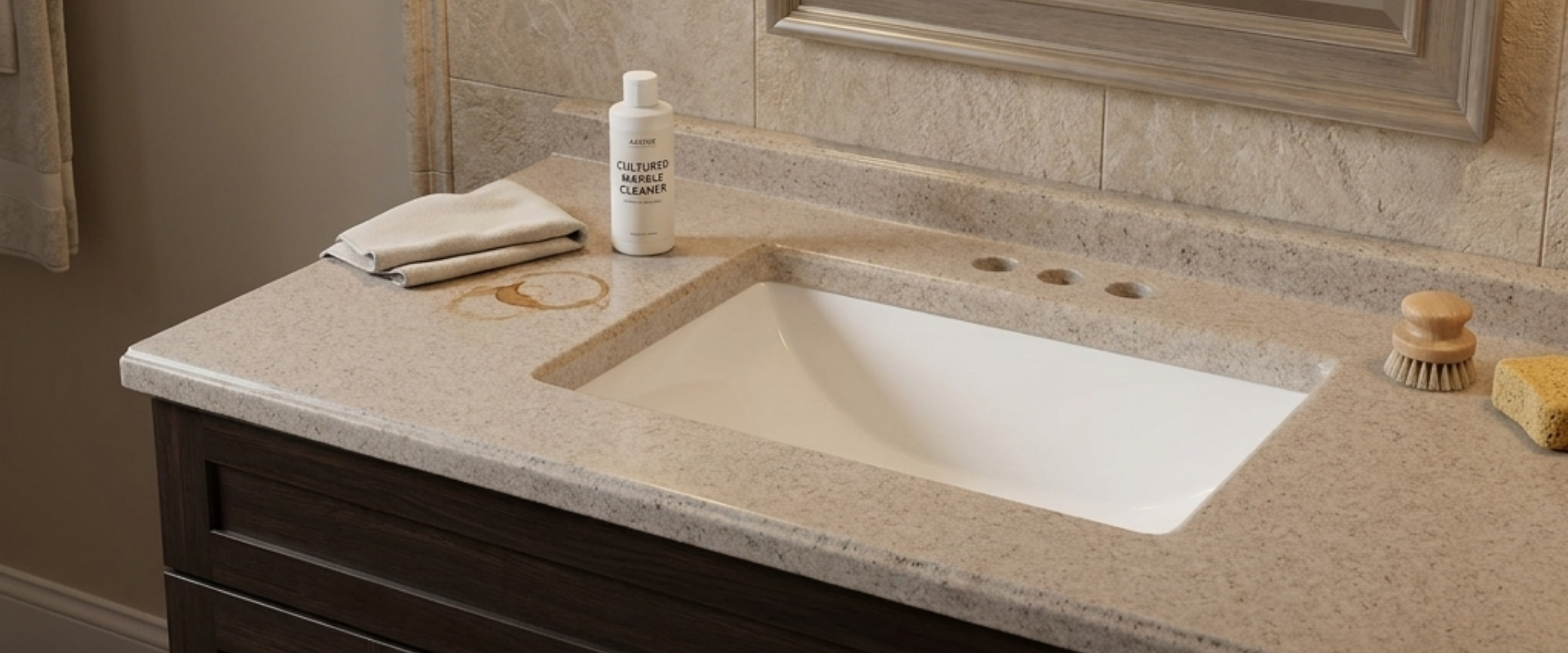
Cultured marble's gel coat is non-porous and highly stain-resistant — but "resistant" does not mean "immune." Under the right conditions, certain substances can leave marks or discoloration on the surface, especially if they are left sitting for extended periods. The good news is that most stains on cultured marble can be removed at home with the right technique and products.
This guide covers the most common types of stains and how to remove them from ARSTAR vanity tops, shower panels, and shower pans.
Hard Water Deposits (White or Chalky Buildup)
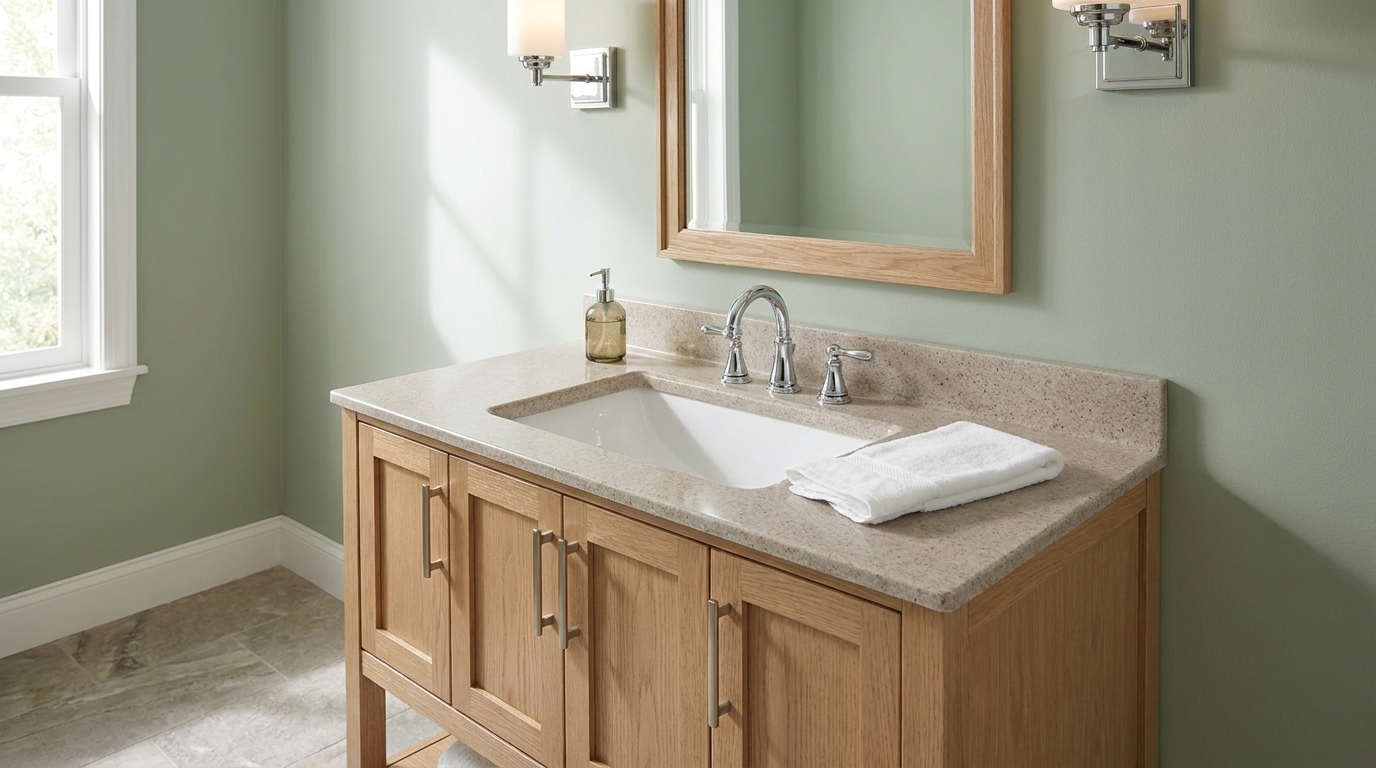
Hard water contains dissolved minerals — primarily calcium and magnesium — that leave white, chalky deposits when water evaporates on a surface. This is the most common "stain" on cultured marble in areas with hard water.
How to Remove
- Step 1: Soak a soft cloth in undiluted white vinegar.
- Step 2: Lay the cloth over the affected area and let it sit for 15 – 30 minutes. The mild acid in the vinegar dissolves the mineral deposits.
- Step 3: Wipe away the loosened deposits with the cloth.
- Step 4: Rinse thoroughly with clean water and dry with a soft towel.
For stubborn deposits, repeat the process or use a commercial calcium and lime remover (CLR or similar). Avoid letting vinegar or CLR sit on the surface for more than 30 minutes, as prolonged acid contact can dull the gel coat.
Soap Scum
Soap scum is a film of soap residue combined with hard water minerals, body oils, and dead skin cells. It builds up gradually and gives the surface a hazy or grimy appearance.
How to Remove
- Step 1: Make a paste of baking soda and water (roughly 3:1 ratio).
- Step 2: Apply the paste to the soap scum with a soft cloth, rubbing gently in circular motions. Baking soda is mildly abrasive — just enough to lift soap scum without scratching the gel coat.
- Step 3: Rinse thoroughly and dry.
For heavy soap scum, a commercial soap scum remover (non-abrasive, non-bleach) can be sprayed on and wiped off after a few minutes.
Hair Dye Stains
Hair dye is one of the most challenging stains on any bathroom surface because it is formulated to bond strongly to organic surfaces. On cultured marble's gel coat, it does not penetrate, but it can leave a surface stain if not cleaned promptly.
How to Remove
- Step 1: Act quickly. The sooner you wipe up hair dye, the less likely it is to stain.
- Step 2: Apply hydrogen peroxide (3 %) to a soft cloth and lay it over the stain. Let it sit for 30 – 60 minutes.
- Step 3: Wipe and rinse. If the stain persists, repeat with fresh hydrogen peroxide.
- Step 4: For very stubborn stains, try a paste of baking soda and hydrogen peroxide. Apply, let sit for 1 hour, then gently rub and rinse.
Important: Do not use acetone or nail polish remover on cultured marble. While these solvents can remove dye stains, they can also damage the gel coat.
Rust Stains
Rust stains appear as orange or reddish-brown marks, usually caused by metal objects (shaving cans, bobby pins, razor blade holders) left sitting on a wet surface.
How to Remove
- Step 1: Apply a commercial rust remover formulated for use on non-porous surfaces. Products containing oxalic acid or phosphoric acid work well.
- Step 2: Follow the product's instructions — typically spray or apply, wait 5 – 10 minutes, and wipe off.
- Step 3: Rinse thoroughly with clean water.
To prevent rust stains, keep metal objects off wet surfaces. Use a small tray or caddy for metal grooming tools and cans.
Cosmetic and Makeup Stains
Foundation, lipstick, mascara, and other cosmetics can leave colored marks on the vanity top surface.
How to Remove
- Step 1: Wipe with a soft cloth dampened with warm water and mild dish soap. Most cosmetic stains come off with this simple approach.
- Step 2: For stubborn stains, apply isopropyl alcohol (rubbing alcohol) to a soft cloth and gently rub the stain. Rubbing alcohol dissolves many cosmetic formulas without harming the gel coat.
- Step 3: Rinse and dry.
Yellowing or Discoloration
Over many years, white and light-colored cultured marble may develop slight yellowing, particularly in bathrooms with poor ventilation. This can be caused by UV exposure, cigarette smoke, or chemical buildup from harsh cleaners.
How to Address
- Apply automotive polishing compound and buff the surface in circular motions. This removes the thin layer of discolored gel coat and exposes fresh material beneath.
- Improve bathroom ventilation to reduce moisture and chemical exposure.
- Switch to mild, pH-neutral cleaners if you have been using harsh products.
When to Call a Professional
If a stain has penetrated deeply into the gel coat (rare but possible with prolonged exposure to strong chemicals or dyes), or if the surface has been physically damaged (deep scratches, chips, or cracks), a professional refinishing service may be needed. Cultured marble can be professionally re-gel-coated to restore it to like-new condition — a process that costs far less than replacement.
Prevention Is the Best Strategy
The easiest stain to remove is the one that never happens. Quick daily wiping, prompt spill cleanup, and avoiding harsh chemicals will keep your ARSTAR cultured marble surfaces looking beautiful for years. For a complete daily care routine, see our cultured marble care guide and the care and maintenance resource page.
Have a stain you cannot identify or remove? Contact ARSTAR — our team can help you troubleshoot and recommend the right solution.